CDC Flags Slower Uptake of Updated Respiratory Vaccines
Early-season data shows uptake trailing prior years across most age groups, prompting renewed outreach from public health officials.
Once reserved for people managing diabetes, continuous glucose monitors are increasingly being used by adults without the condition. Researchers continue exploring how glucose trends may support broader metabolic awareness and preventive care.
Medical Technology
Research & Innovation
Continuous Monitoring

Early-season data shows uptake trailing prior years across most age groups, prompting renewed outreach from public health officials.
The new panel returns results in under an hour, a window clinicians say matters most in emergency and ICU settings.
A federal advisory panel is weighing whether current sodium targets are appropriate for adults over 65.
Researchers tracked over 12,000 commuters and found measurable blood pressure changes tied to traffic delays.
Recent developments from clinical studies, medical technology and preventive healthcare research.

A growing number of hospital radiology departments are integrating AI-assisted review tools into everyday clinical workflows, helping specialists compare automated analysis with traditional image interpretation.

New therapies continue expanding treatment options for patients requiring additional cardiovascular protection.
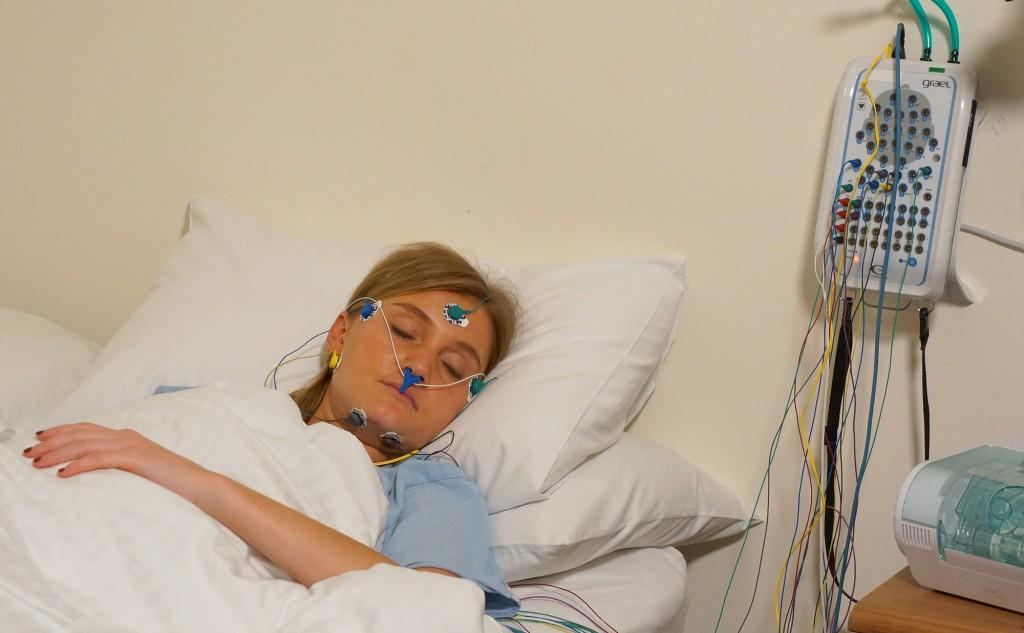
Sleep quality continues to influence insulin sensitivity, metabolism and long-term health outcomes.
Explore reporting and research across the health topics our editorial desk follows most closely.

Ten years into one of the longest-running aging studies in the country, researchers say the most consistent predictor of healthy aging isn't a supplement or a single behavior, but a combination of modest, sustained habits.

A review of consumer devices finds cuff size and arm position cause more reading errors than the devices themselves.

New federal data on cafeteria menus is reshaping guidance on sodium, whole grains and portion sizing for children.
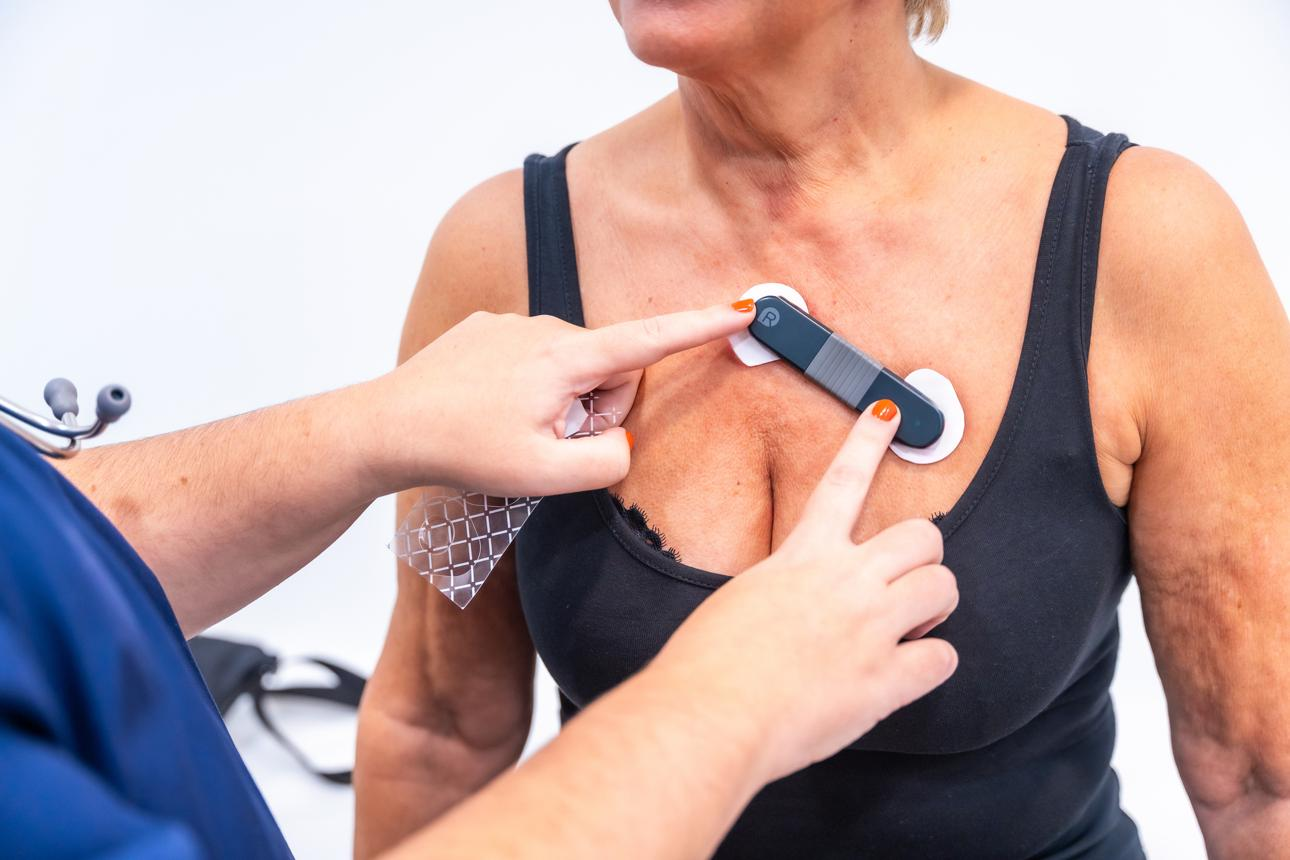
Longer monitoring windows are catching irregular heart rhythms that shorter tests routinely miss.
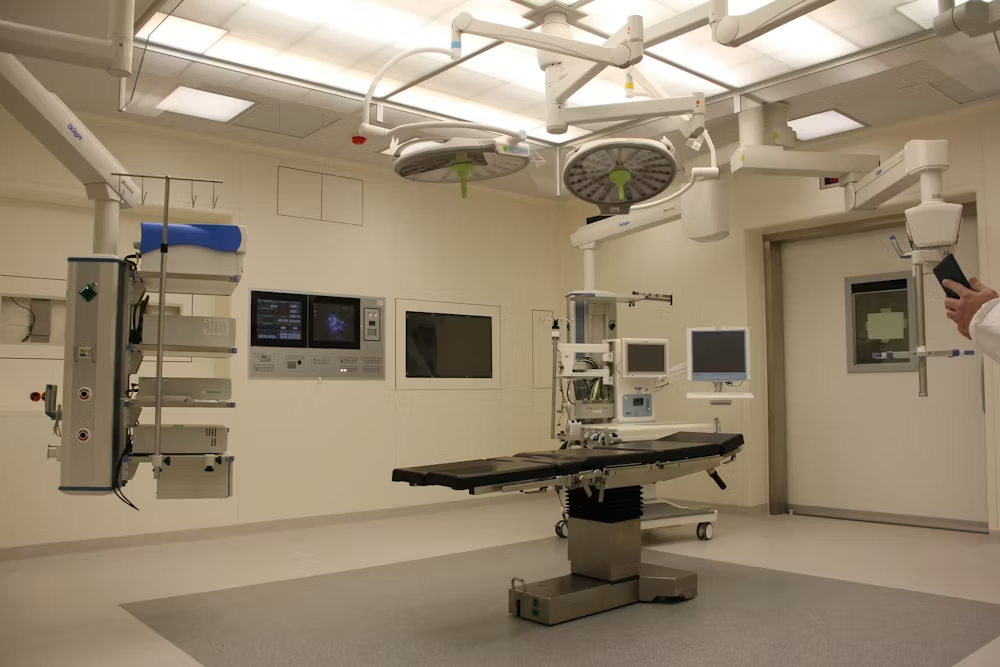
Smaller regional hospitals are gaining access to robotic-assisted procedures once limited to major medical centers.
One concise email covering the week's most notable medical research. No spam and unsubscribe anytime.